
The Innerspace Blog
As New Jersey's Premiere Intensive Mental Health Program Specialist, we proudly share our thoughts and expertise on mental health related topics and events.
To search topics of interest, click CTRL + F
Blog
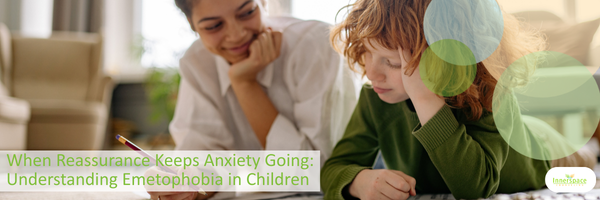
When Reassurance Keeps Anxiety Going: Understanding Emetophobia in Children
Emetophobia, the intense fear of vomiting, is more common than many parents realize. For children struggling with this fear, everyday experiences can start to feel overwhelming. What may begin as a worry about getting sick can gradually expand into avoiding restaurants, school, sleepovers, social activities, and even friendships.
Over time, this anxiety can quietly shrink a child’s world.
Recently, our Director of Clinical Services, Ira Hays, LCSW, joined William Schaller from BIA on a podcast to discuss the treatment of emetophobia in children. One of the most important themes that came up in the conversation is something many parents can relate to: the role of reassurance. Let's talk about it!
more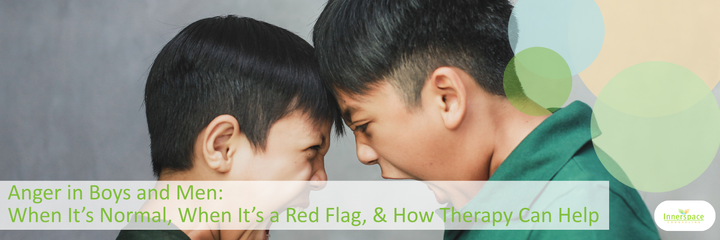
Anger in Boys and Men: When It’s Normal, When It’s a Red Flag, and How Therapy Can Help
Anger isn’t “bad.” It’s a human emotion that can signal hurt, fear, stress, shame, or injustice. But in many boys and men, anger becomes the only emotion that feels “allowed” and that can quietly erode mental health, relationships, school/work performance, and self-esteem.
At Innerspace Counseling, we often see boys, teens, and men who don’t feel sad or anxious so much as irritable, reactive, tense, and easily overwhelmed. That pattern matters because anger can be a surface-level symptom of deeper struggles like depression, anxiety, trauma, or chronic stress, according to the National Institute of Mental Health (NIMH).
Below, you’ll learn what anger looks like across development, what becomes concerning, and what actually helps.
more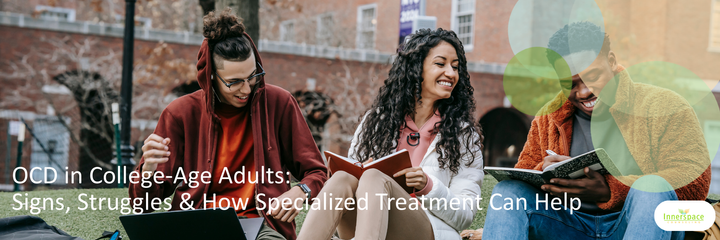
OCD in College-Age Adults: Signs, Struggles & How Specialized Treatment Can Help
College is often described as “the best years of your life.” But for many young adults struggling with Obsessive-Compulsive Disorder (OCD), it can feel overwhelming, isolating, and exhausting.
The transition to college brings academic pressure, social changes, independence, and uncertainty about the future. For students with OCD, these stressors can significantly intensify symptoms, making it harder to focus, sleep, attend class, or maintain relationships.
At Innerspace Counseling, we specialize in treating OCD and anxiety disorders in adolescents and adults through our structured Intensive Outpatient Program and Partial Hospitalization Program (IOP/PHP). Our specialized OCD & Anxiety Track provides targeted care for those with OCD.
If you or your college-aged child is struggling, understanding the signs and knowing effective treatment is available can be life-changing.
more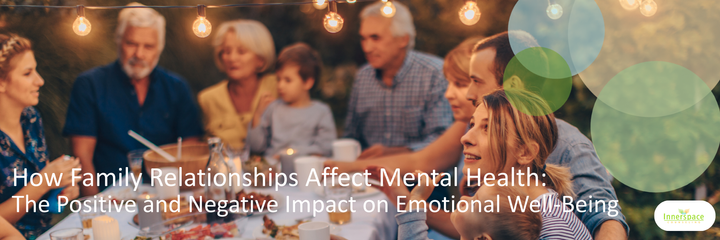
How Family Relationships Affect Mental Health: The Positive and Negative Impact on Emotional Well-Being
Family relationships shape our emotional development from childhood through adulthood. The way we experience communication, support, conflict, and connection within our families can significantly influence anxiety, depression, self-esteem, and overall mental health.
At Innerspace Counseling, we regularly see how family dynamics, both healthy and unhealthy, affect emotional well-being. Understanding this connection is often the first step toward healing and growth.
more
Valentine’s Day & Mental Health: Loving Yourself and Others in a Meaningful Way
Valentine’s Day is often associated with flowers, chocolates, and romantic dinners. But beyond the commercial celebration, February 14th offers something deeper: an opportunity to reflect on love, including the most important relationship you’ll ever have, the one with yourself.
At Innerspace Counseling, we believe mental health and love are deeply connected. Whether you're single, partnered, navigating parenting stress, or healing from past relationship wounds, your emotional wellbeing deserves attention this Valentine’s Day.
Let’s talk about what that really means.
more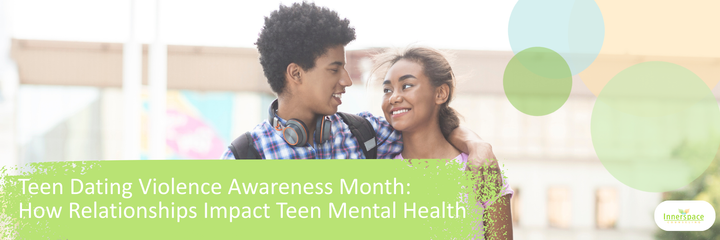
Teen Dating Violence Awareness Month: How Relationships Impact Teen Mental Health
February is Teen Dating Violence Awareness Month, a time to shine a light on how romantic relationships, especially early ones, can significantly impact a teen’s mental and emotional well-being. While teen dating is often dismissed as “puppy love,” the emotional experiences teens have in relationships are very real and can leave lasting effects.
At Innerspace Counseling, we regularly work with teens and families navigating anxiety, depression, low self-esteem, and trauma connected to unhealthy or abusive relationship dynamics. Understanding the warning signs and knowing when to seek support can make a meaningful difference.
more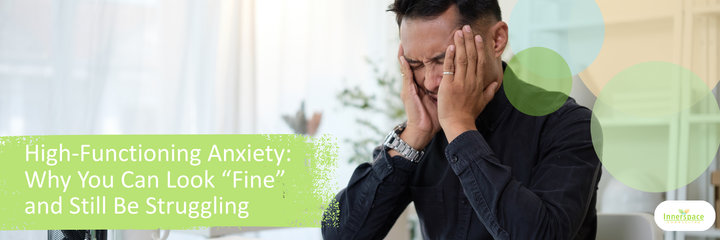
High-Functioning Anxiety: Why You Can Look “Fine” and Still Be Struggling
Have you ever been told, “But you seem like you’re doing great”, even when inside you feel overwhelmed, tense, or constantly on edge?
For many people, anxiety doesn’t look like panic attacks or avoidance. It looks like productivity. Achievement. Responsibility. Smiling through stress. This is often referred to as high-functioning anxiety, and it’s far more common than most people realize.
At Innerspace Counseling, we see many clients who appear successful, capable, and put-together, yet are quietly carrying an exhausting amount of anxiety beneath the surface.
more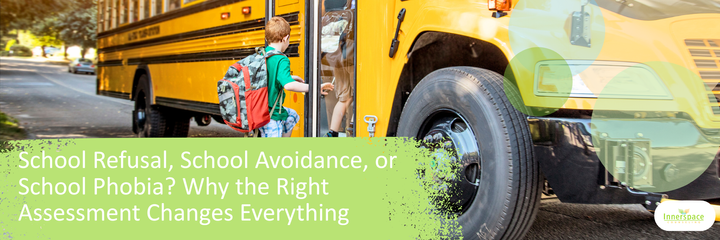
School Refusal, School Avoidance, or School Phobia? Why the Right Assessment Changes Everything
When a child starts missing school, struggling to get out the door, or melting down every morning, it can feel like the whole family is trapped in a cycle of stress, fear, and frustration.
But here’s one of the most important truths parents (and even schools) often don’t hear clearly enough:
Not all school struggles are the same and not all “school refusal” is actually school refusal.
At Innerspace Counseling, we specialize in helping children and teens who are experiencing school avoidance, school phobia, school refusal, and poor academic performance, and we start with one key step: an expert assessment to understand what’s really driving the problem.
more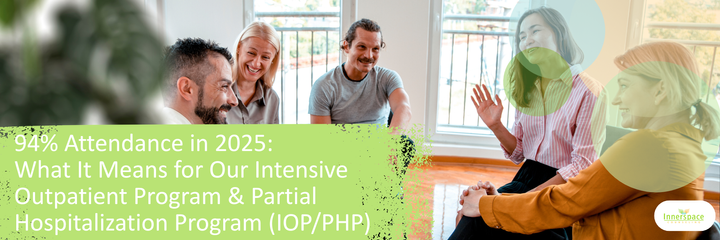
94% Attendance in 2025: What It Means for Our Intensive Outpatient Program & Partial Hospitalization Program (IOP/PHP)
At Innerspace Counseling, we believe real progress happens through consistency, connection, and a treatment experience that helps clients stay engaged over time.
That’s why we’re proud to share a major milestone:
✅ In 2025, Innerspace Counseling achieved a 94% average attendance rate across all programs and ages.
Whether clients were participating in our Intensive Outpatient Program or our Partial Hospitalization Program (IOP/PHP), this number reflects something deeply meaningful: people are showing up, staying connected, and doing the work of healing and our team is committed to supporting them every step of the way.
more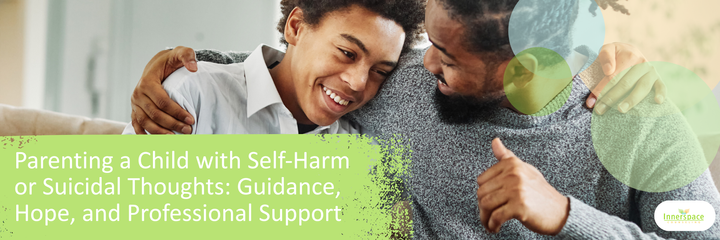
Parenting a Child With Self-Harm or Suicidal Thoughts: Guidance, Hope, and Professional Support
Discovering that your child is engaging in self-harm or experiencing suicidal thoughts is one of the most frightening and heartbreaking experiences a parent can face. You may feel overwhelmed, unsure of what to do next, and afraid of making the “wrong” move.
At Innerspace Counseling, we work closely with children, adolescents, and families navigating self-harm and suicidal ideation. This guide is designed to help parents understand what’s happening, how to respond effectively, and when higher levels of care such as Intensive Outpatient Program or Partial Hospitalization Program (IOP/PHP) may be needed.
Most importantly, we want you to know this: help is available, treatment works, and recovery is possible.
more